
Understanding Reasonable Accommodations for Pregnant Employees in California
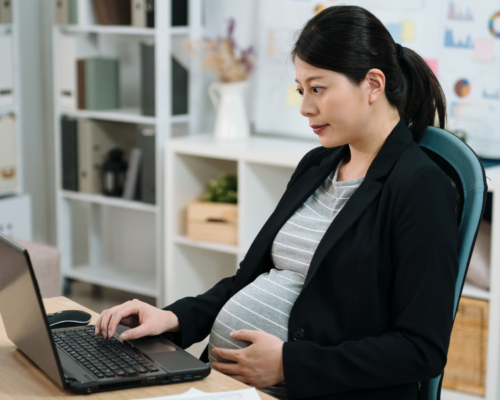
In California, employees are entitled to certain protections under state law, especially when it comes to pregnancy and workplace discrimination. One of the key protections includes the right to reasonable accommodations for pregnant employees, as outlined under the California Fair Employment and Housing Act (FEHA) and the Pregnancy Discrimination Act (PDA).
If you are pregnant and facing challenges in your workplace, it’s crucial to understand your rights and seek legal advice from an experienced employment lawyer in Los Angeles. Whether you need assistance with navigating the process of requesting accommodations or handling discrimination, a skilled Los Angeles workplace discrimination lawyer can help you protect your rights.
What is a Reasonable Accommodation for Pregnant Employees?
A reasonable accommodation refers to any change or adjustment to the workplace or the job that allows an employee to continue performing their job despite conditions or challenges arising from pregnancy. These accommodations are intended to ensure that pregnant employees can work safely and effectively without being forced to take leave, lose their job, or face discrimination.
In California, employers must provide accommodations to pregnant employees unless it would cause undue hardship to the company. Some common examples of accommodations for pregnant workers include:
- Modified Duties: For employees unable to perform certain tasks due to pregnancy-related limitations, such as heavy lifting, employers may offer temporary reassignment to less physically demanding tasks.
- Flexible Hours: A pregnant employee may require a more flexible schedule, such as working fewer hours or adjusting start and end times, to manage doctor’s appointments, morning sickness, or other pregnancy-related concerns.
- Breaks for Rest: Pregnant employees may need more frequent breaks to rest or avoid physical strain. Employers must be accommodating and allow for such breaks without penalizing the employee.
- Temporary Leave: If necessary, pregnant employees may request temporary leave before returning to work after giving birth. This leave may be considered reasonable depending on the employee’s medical needs.
- Modifying Equipment or Workstation: For some pregnant workers, standing for long periods or certain workstations may be difficult. Employers may need to provide ergonomic chairs or adjust workstations to ensure comfort and safety.
When is a Reasonable Accommodation Required?
Under California law, pregnant employees are entitled to reasonable accommodations if they are facing physical challenges that affect their ability to perform essential job functions. Employers are also required to ensure that pregnant employees are not subjected to unfair treatment, discrimination, or retaliation after they request accommodations.
If an employee experiences difficulty in performing essential job functions due to pregnancy, they can request an accommodation from their employer. If the employer refuses or retaliates against the employee for making such a request, they may be in violation of the law.
In these situations, it’s highly advisable to seek guidance from an employment lawyer for pregnant employees or a Los Angeles workplace discrimination attorney. Andrew Malatesta, a highly experienced employment attorney in Encino, California, can offer advice and representation to employees if their rights are being violated.
Legal Protections Against Discrimination
California’s Fair Employment and Housing Act (FEHA) prohibits discrimination based on pregnancy, childbirth, or related medical conditions.
If an employer fails to accommodate a pregnant employee or discriminates against them based on pregnancy, it’s crucial to seek help from a Los Angeles labor and employment lawyer. Andrew Malatesta’s entire legal practice is dedicated to protecting workers’ rights and he can provide the necessary guidance to file complaints or take legal action against an employer who refuses to comply with the law.
How to Request Reasonable Accommodations
If you are pregnant and need reasonable accommodations at work, here are the steps you should take:
- Notify Your Employer: Inform your employer in writing that you are pregnant and require accommodations due to your pregnancy. Specify the changes you need to perform your job effectively based upon your pregnant condition.
- Provide Medical Documentation: Your employer may request documentation from a healthcare provider outlining your pregnancy-related limitations and the accommodations you need. Keep a record of any correspondence or documents exchanged.
- Discuss Possible Accommodations: Once you request accommodations, have an open conversation with your employer to find a mutually agreeable solution. If your employer fails to offer reasonable accommodations, you should consult with an experienced employment lawyer in Los Angeles.
- Seek Legal Help if Needed: If you face discrimination, retaliation, or are denied accommodations, it is important to contact a workers’ rights lawyer in Los Angeles, such as Andrew Malatesta. He is highly experienced in representing pregnant employees in California.
Conclusion
If you are a pregnant employee in California and need assistance navigating the complex landscape of pregnancy accommodations, it’s essential to understand your rights. Andrew Malatesta, a Los Angeles workplace discrimination lawyer, can help you ensure that your employer complies with the law and provides the necessary accommodations you are entitled to under California law.
Whether you are facing discrimination, retaliation, or simply need assistance with your accommodation request, an employment lawyer for pregnant employees can provide the support and advocacy you need. Don’t hesitate to reach out to an experienced employment lawyer in Los Angeles to protect your rights and ensure a safe and supportive work environment during your pregnancy.